
Mindfulness for the Restless Soul: Finding Peace Without Sitting Still
For the movers, fidgeters, and wanderers who still crave stillness.
If you’ve ever been told to “just sit quietly and meditate,” only to find yourself mentally reorganizing the pantry, replaying a conversation from 2007, and planning tomorrow’s grocery list in under ninety seconds. Welcome! You’re in very good company.
There’s a quiet myth floating around in the wellness world that mindfulness requires stillness. Real stillness. Cross-legged-on-a-cushion, incense-burning, clock-free, perfectly serene stillness.
But for many people, especially the movers, the doers, the thinkers, the curious wanderers, that version of mindfulness feels less like peace and more like punishment.
Here’s the truth: mindfulness isn’t about holding your body still. It’s about gently bringing your attention back, and you can do that anywhere.
The Restless Mind Isn’t Broken
A restless mind isn’t a flaw. It’s often a sign of awareness trying to expand.
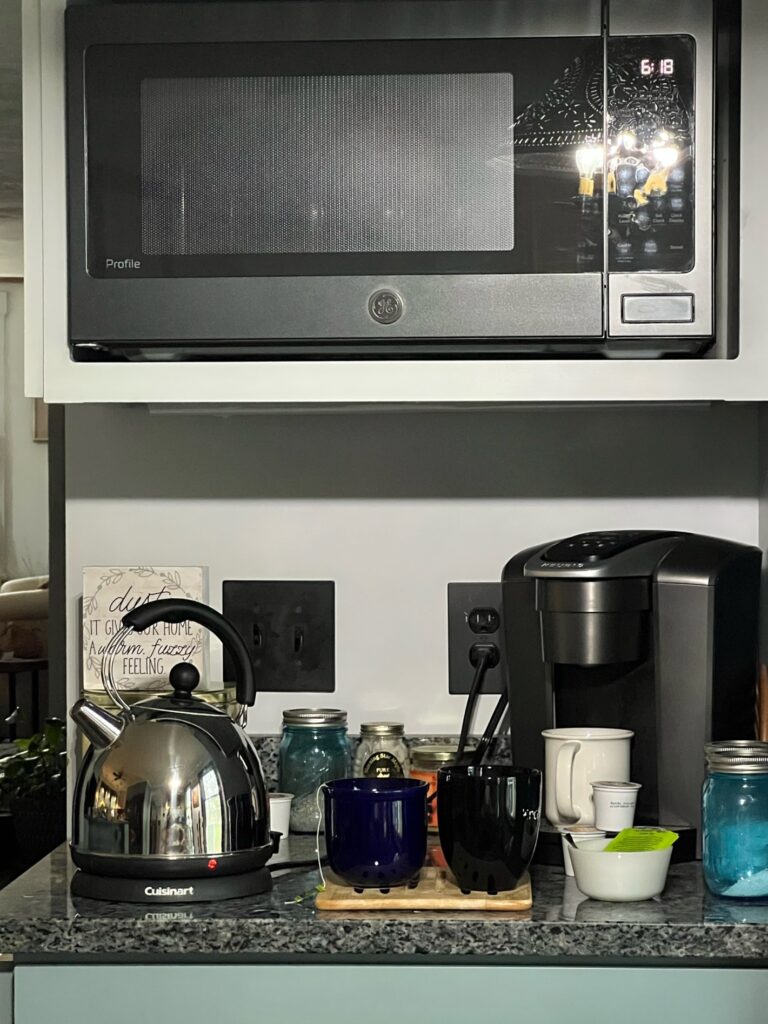
Some people process life through movement. Others through conversation, creativity, walking, organizing, gardening, driving quiet back roads, or making a second cup of tea while the first one is still warm on the counter.
Restlessness doesn’t mean you’re doing mindfulness wrong. It means your nervous system prefers motion as part of regulation.
In fact, neuroscience continues to show that rhythmic movement, walking, stretching, repetitive tasks, and even simple hand motion can help calm the brain and support emotional clarity. Stillness doesn’t always begin with stopping. Sometimes it begins with pacing slowly enough to notice what’s happening.
Mindfulness isn’t about becoming someone else.
It’s about becoming more present with yourself.
Stillness Isn’t a Posture. It’s a Relationship.
We often imagine stillness as silence and immobility. But true stillness is something subtler.
Stillness is:
The moment you notice your breath deepening without trying.
A pause before reacting.
Awareness that arrives while washing dishes.
Choosing to look at the sky instead of your phone.
Stillness is attention with kindness.
When you redefine stillness this way, mindfulness becomes available everywhere, not just on a meditation cushion, but in ordinary life.
Especially in ordinary life.
Walking Is a Form of Meditation (Yes, Really)
For restless souls, walking may be the most natural doorway into mindfulness.
You don’t need a destination, special clothing, or an hour.
You only need curiosity.
Notice your steps, the rhythm of your breathing, and what your senses are collecting around you: the sounds, textures, light, temperature, and movement.
The mind settles when it has something gentle to follow.
Walking meditation has been practiced for centuries across cultures because it works. Movement gives the body something to do while the mind learns how to arrive.
It’s mindfulness in motion.
Fidgeting Can Be a Focus
Some people concentrate better while their hands are busy.
Knitting.
Sorting crystals or stones.
Watering plants.
Folding laundry.
Stirring soup slowly.
Petting a dog who believes this is the most important job you’ve ever had.
This isn’t a distraction; it’s a regulation.
These repetitive actions create rhythm. Rhythm creates safety. Safety creates space for awareness.
Instead of fighting the urge to move, try partnering with it.
Let movement become your anchor instead of your obstacle.
The Myth of the Quiet Mind
Another common misunderstanding is that mindfulness requires emptying your thoughts.
It doesn’t.
Thoughts will continue. That’s their job.
Mindfulness simply invites you to notice them without chasing every single one down a rabbit hole.
You don’t have to silence your mind.
You only have to stop arguing with it.
Sometimes mindfulness sounds like:
“There’s that thought again.”
And then returning to your breath.
Or your steps.
Or the feeling of warm sunlight on your hands.
That return that gentle redirect is the practice.
Not perfection.
Micro-Moments Count More Than You Think
Many people assume mindfulness requires large, uninterrupted blocks of time. But the nervous system responds beautifully to small pauses.
Thirty seconds of noticing your breath before answering a message.
One slow inhale before walking into a meeting.
Looking out the window instead of scrolling while the kettle heats.
Feeling your feet on the floor before standing up.
These micro-moments add up.
They teach your brain that calm is available more often than you think.
And perhaps more importantly, they remind you that presence isn’t something you earn after finishing your to-do list.
It’s something you can enter right in the middle of it.
Nature Is a Built-In Mindfulness Partner
If sitting still indoors feels impossible, step outside.
Nature doesn’t ask you to perform mindfulness correctly. It invites you to participate.
Notice the wind moving through the branches, the shape of the clouds, birds calling to each other across invisible distances, and how your shoulders drop even before you realize they were tense.
Your nervous system recognizes natural rhythm faster than it recognizes instructions.
This is one reason even short outdoor pauses can feel surprisingly restorative. The body understands what the mind hasn’t yet figured out.
You don’t have to “try harder” to be mindful in nature.
You just have to show up.
Mindfulness That Moves With You
The goal of mindfulness isn’t to become someone who sits perfectly still.
The goal is to become someone who notices their life while it’s happening.
If you’re someone who prefers motion, curiosity, conversation, creativity, or wandering thoughts that loop in unexpected directions, you are not outside the circle of mindfulness.
You’re already inside it.
Your practice might look like walking instead of sitting.
Noticing instead of emptying.
Breathing while moving instead of breathing while pausing.
Listening instead of retreating.
Mindfulness belongs to the restless soul just as much as it belongs to the quiet one.
Peace isn’t something you achieve after you stop moving.
Sometimes peace is what you discover when you finally allow yourself to move with awareness instead of against it.
© 2026 Musing by Judy Gallauresi